
The Allure of Chance and Uncertainty
The thrill of uncertainty plays a significant role in the psychological appeal of casino gaming. Players are drawn to the unpredictable nature of games like slots and roulette, where the outcome hinges entirely on chance. This unpredictability generates excitement, as the potential for winning substantial sums of money creates a rush that can be highly addictive. Additionally, many players enjoy platforms like 1win that offer a variety of games and promotions to enhance their experience. The brain’s reward system activates during these moments of anticipation, releasing neurotransmitters such as dopamine, which enhances feelings of pleasure and reinforces the desire to continue playing. This chemical response to risk and reward is a fundamental aspect of why people are drawn to gambling, as it reinforces the cycle of play.
This excitement factor is often compounded by the near-miss phenomenon, where the player comes close to winning but ultimately does not. Such outcomes elicit a powerful emotional response, leading players to feel as though they are on the brink of a significant win. This emotional investment can act as a double-edged sword, drawing individuals back for more gaming experiences and reinforcing their commitment to the games despite potential losses. The anticipation of winning, even when it feels like it’s just within reach, can keep players engaged longer than they initially intended, creating a cycle of hope and expectation that can be difficult to break.
Moreover, casinos exploit this psychological draw by meticulously designing their environments. Bright lights, enticing sound effects from machines, and the strategic placement of games all work together to create an atmosphere rich with excitement and possibility. This sensory overload distracts from the reality of losses and fosters a persistent hope for the next big win. As a result, the allure of chance becomes a potent motivator for continued gambling behavior, deeply rooted in psychological triggers that casinos leverage to maximize player engagement.
The Role of Social Interaction
Social factors significantly influence the psychology behind casino gaming. Many individuals are attracted to the communal aspect of casinos, where the energy of fellow players can amplify the excitement of the game. Whether at a table game or a slot machine, the presence of others fosters a sense of camaraderie and shared experience. This social dynamic can enhance the gaming experience, making it more enjoyable and compelling. Players often find that their enjoyment increases when they share their wins and losses with others, creating a bond that transcends the individualistic nature of gambling.
Furthermore, social interactions can heavily influence decision-making during play. Players often gravitate toward the games that other players are engaged in, creating a domino effect driven by peer behavior. Observing others winning can trigger hopeful impulses, encouraging individuals to join in and take risks they might not have considered if playing alone. The communal celebrations and collective responses to wins amplify the thrill of gaming, instilling a sense of belonging and shared excitement that can make the experience even more compelling.

Moreover, various casinos host events and tournaments that further enhance social engagement, transforming gaming into a more interactive and community-oriented experience. These gatherings help mitigate the loneliness that might accompany solo gambling and provide a platform for forming new relationships. The social component of gambling not only enhances enjoyment but also plays a crucial role in attracting players who seek both the thrill of chance and the companionship that accompanies it, thereby enriching the overall casino experience.
The Illusion of Control
An intriguing psychological aspect of casino gaming is the illusion of control that players often feel, particularly in games like poker or blackjack. Many players believe that they can influence outcomes based on their strategies or behaviors. This belief creates a sense of empowerment, leading individuals to invest more time and money in attempts to master these games. This perception is fueled by personal experiences, anecdotes from other players, and stylized portrayals of gambling in media, which often emphasize skill and strategy over chance.
However, the reality is that many casino games are structured around random outcomes, heavily influenced by chance rather than skill. Despite this, players often engage in superstitions or routines they believe will enhance their chances of winning. For example, some might insist on wearing a lucky item or performing a specific action before placing a bet, convinced that these rituals will sway luck in their favor. This psychological mechanism can lead to increased involvement and risk-taking behavior, as players seek to exert control over an inherently uncontrollable situation.
While the illusion of control can enhance the excitement of gameplay, it can also lead to detrimental financial decisions. Players may chase losses, believing that their skills or strategies can rectify unfavorable outcomes. This mindset perpetuates a cycle of gambling that becomes increasingly difficult to break, as individuals become entrenched in a belief system that punishes rational thinking and encourages reckless behavior. Understanding this illusion is crucial for anyone engaging in casino gaming, as it can help mitigate potential risks and promote more responsible gambling practices.
The Impact of Marketing and Design
Casinos are not merely venues for gaming; they are meticulously designed environments that cater to psychological triggers. Marketing tactics utilize principles of behavioral psychology to draw players in and maintain their engagement. For instance, many casinos employ reward programs that leverage the psychology of anticipation and reward, allowing players to accumulate points and perks based on their gameplay. This strategy taps into the human desire for recognition and achievement, fostering a sense of loyalty that encourages further participation.
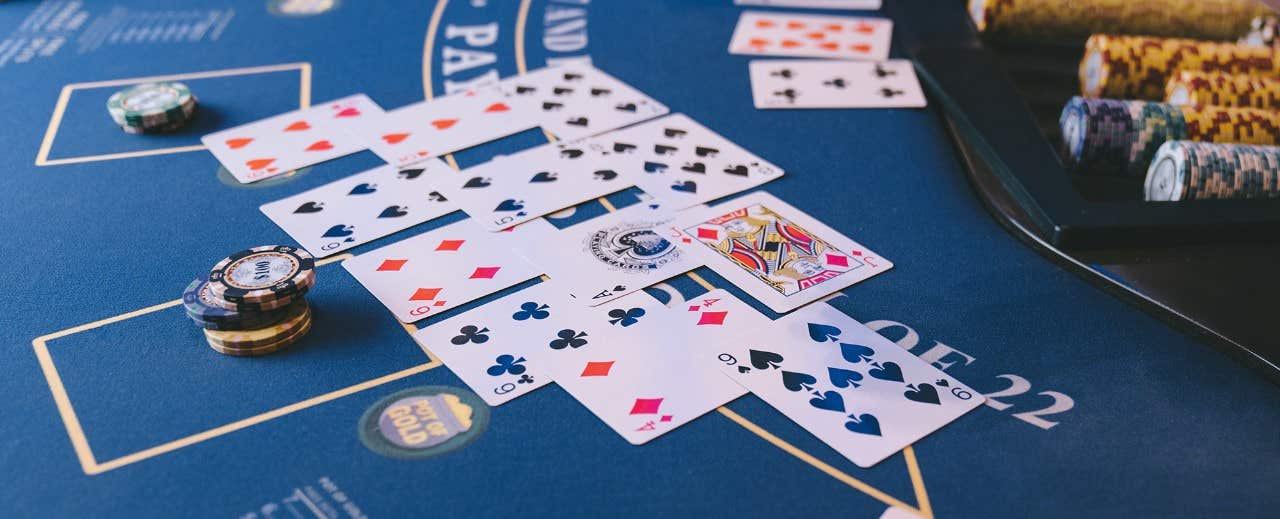
Additionally, the physical layout of casinos is designed to promote play. Games are strategically placed near one another to enhance excitement, and the absence of clocks or windows creates a sense of timelessness, allowing players to lose track of their gaming sessions. This intentional design philosophy encourages prolonged play without breaks for reflection on time or incurred expenses. The immersive environment heightens the excitement of gaming, pushing players to stay longer and spend more than they might have originally intended.
Moreover, promotional strategies often play into cognitive biases, such as the availability heuristic, where players overestimate their chances of winning based on recent wins or vivid stories shared by others. This can distort their understanding of the game’s odds and lead to more frequent play. The combination of these marketing strategies and environmental designs creates a unique ecosystem that captivates players, often resulting in increased participation and emotional investment in their experiences at the casino.
Understanding the Psychology of Gambling
As a platform dedicated to exploring the intricacies of gambling culture, our website provides valuable insights into the psychology behind casino gaming. We delve into the various factors that influence gambling behaviors and decision-making, aiming to equip readers with a comprehensive understanding of the gambling experience. By examining psychological principles, we hope to foster awareness regarding the potential challenges and motivations that accompany gaming. Our articles aim to bridge the gap between understanding and responsible gaming.
Through informative articles, expert opinions, and in-depth research, our website serves as a resource for both casual players and serious gamblers. We strive to create a community where individuals can share their experiences, seek guidance, and learn from one another. By shedding light on the psychological underpinnings of gambling, we aim to empower visitors with knowledge and encourage responsible gaming practices that promote well-being and informed decision-making.
We believe that understanding the psychology of gambling is essential in navigating the often complex world of casino gaming. By informing our readers about the various psychological triggers and influences, we hope to cultivate a more conscientious and responsible gaming culture. Join us as we explore this fascinating subject and promote thoughtful engagement within the realm of casino gaming, ensuring a healthier perspective on gambling for everyone involved.